Wolbachia and dengue control: where are we in 2026?
A review of the evidence behind Wolbachia-based mosquito programs and what large-scale deployment means for travelers.
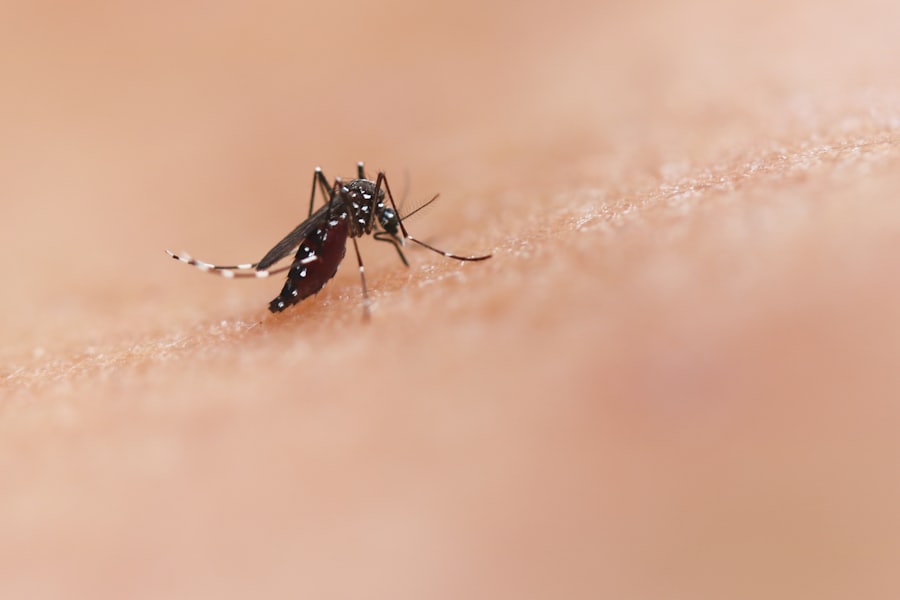
Wolbachia is a naturally occurring bacterium that, when introduced into Aedes aegypti mosquitoes, sharply reduces their ability to transmit dengue, Zika, and chikungunya. Unlike fogging or larviciding, it is self-sustaining: released mosquitoes pass Wolbachia to their offspring, so a single deployment can persist for years.
The landmark evidence
The pivotal data come from the Applying Wolbachia to Eliminate Dengue (AWED) cluster-randomized trial in Yogyakarta, Indonesia. In treated zones, symptomatic dengue fell by roughly 77%, and dengue hospitalizations by a similar margin, compared with untreated areas. This is the strongest evidence to date that an intervention targeting the vector — rather than the virus or the host — can blunt dengue at the population level.
Scale-up in 2026
The World Mosquito Program and partners have expanded releases to cities across Latin America, Southeast Asia, and the Western Pacific. Niterói (Brazil) and parts of Colombia have reported sustained drops in dengue incidence years after release. The method is now being evaluated as core public-health infrastructure rather than a pilot.
What it means for travelers
- Wolbachia programs are city-scale and slow-acting — they lower community transmission over seasons, not days. They do not replace personal protection.
- Travelers to endemic areas should still rely on daytime mosquito-bite prevention and, where eligible, dengue vaccination.
- The trajectory is encouraging: if coverage continues to expand, the baseline dengue risk in some major destinations may genuinely fall over the next decade.
Bottom line: Wolbachia is the most promising structural advance in dengue control in a generation, but it is a community tool — your own bite-prevention still matters on the ground.